
Plumbing · Greater St. Louis

Hot water planned around the property.

Review a water-heater replacement or relocation alongside demand, fuel, electrical supply, venting, drainage, and access.

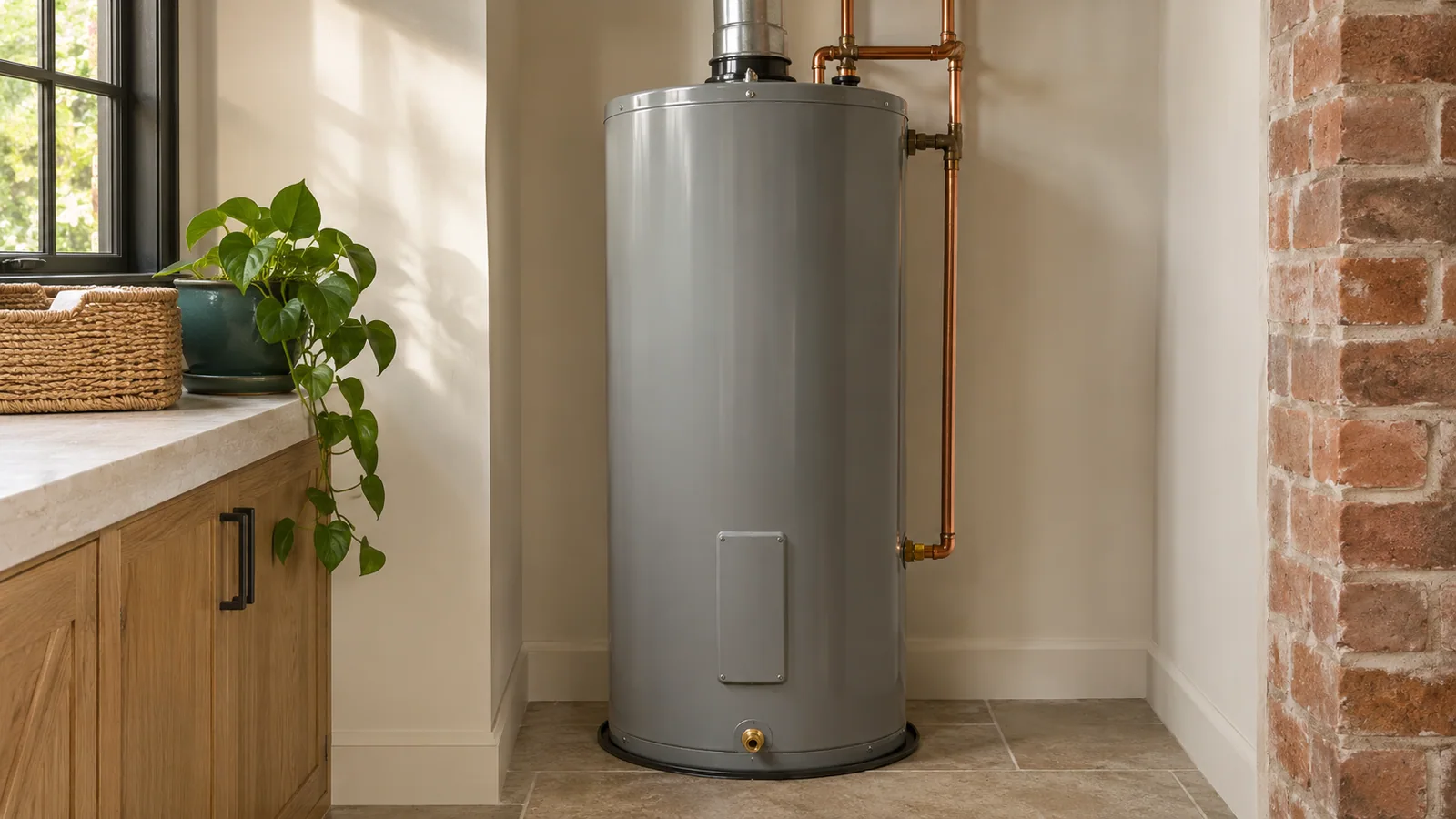
Illustrative photo: A closed residential water heater in a tidy utility space.
Plan the hot-water system.Illustrative scene

Compare the installation, not just the tank.

The existing location, available utilities, hot-water demand, and manufacturer requirements influence the project. A tank and tankless system may require different supporting work.

  • Existing equipment and accessible model information
  • Demand, location, and service-access review
  • Venting, power, fuel, drainage, and removal scope
Arch City · Building systems
Water & drainageConcept illustration

Coordinate any change of system.

A different equipment type or location can affect electrical, plumbing, finishes, and clearances. Have those interfaces reviewed before ordering equipment or assuming a like-for-like replacement.

Before the first conversation

Details that make the first review more useful.

Bring what you have. The team can help identify the information still needed for a meaningful review.

  • Equipment photos and model information
  • Number of occupants or units served
  • Hot-water concerns and available repair history
  • Proposed location or system changes

A clearer starting point

Questions before we begin.

Is tankless always the better option?

No. Demand, available utilities, space, maintenance, installation work, and budget all matter. Review the alternatives for the actual property.

Can the heater move to another room?

Possibly. New routes, venting, drainage, power or fuel, and access need review before relocation can be priced.

Let’s talk about your property.

Share your plans, the property location, and your priorities. We’ll help identify a useful next step.

Discuss this plumbing project